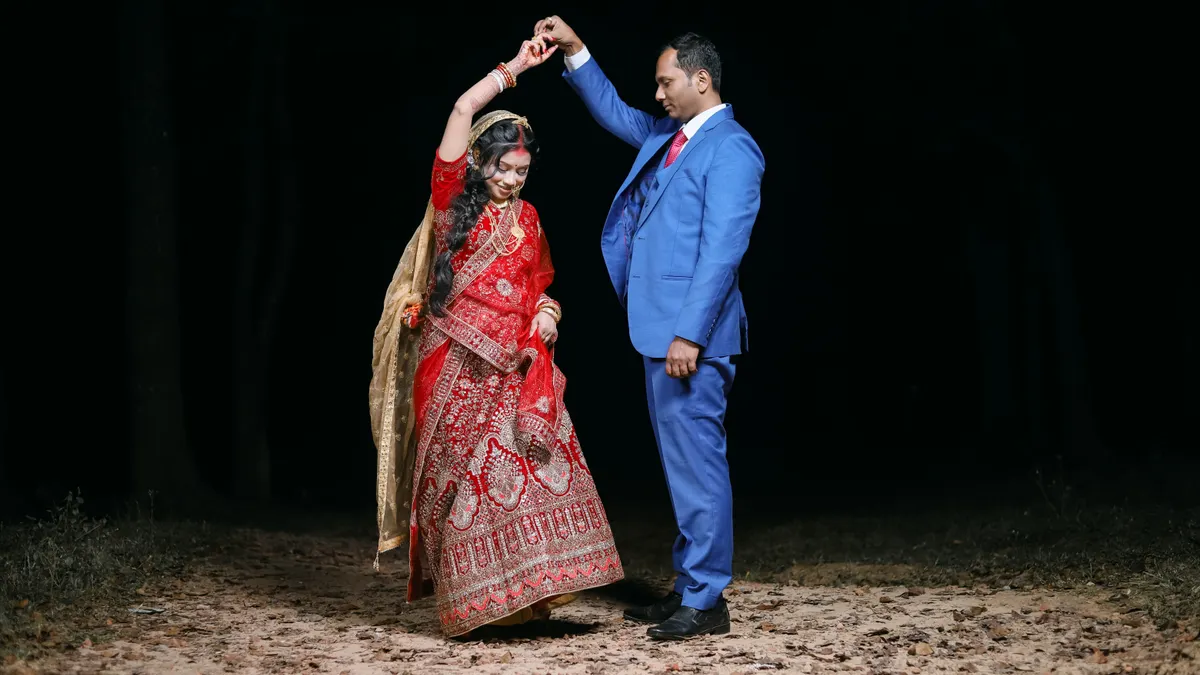
Inviting guests to a multi-day or multicultural wedding
A welcome dinner, a mehndi, the ceremony, the reception, a farewell brunch: the more events you have, the more important clear invitations become. Here's how to keep every guest on the right page.
In this article
Many weddings are more than one day. A South Asian wedding might have a haldi, a mehndi, a sangeet, the ceremony and a reception. A Nigerian wedding may have a traditional engagement and a white wedding. Plenty of North American weddings add a welcome party, a rehearsal dinner and a farewell brunch. Each event is a chance to celebrate, and each is a chance for confusion.
Who is invited to what? What should they wear to each? Where is the mehndi, and does it include dinner? Multi-day weddings succeed when every guest knows exactly which events are theirs, and has all the details in one place. This guide shows you how.
A typical multi-day wedding schedule
Every culture and family does it differently, but a long weekend often looks something like this.
- ThursdayWelcome dinner or haldi
Close family and out-of-town guests. Relaxed dress.
- Friday afternoonMehndi
Mostly women of both families and close friends. Bright colours, henna, music.
- Friday eveningSangeet or rehearsal dinner
Family and wedding party, sometimes all guests. Performances, dancing.
- SaturdayCeremony and reception
All guests. The main event, with the most formal dress code.
- Sunday morningFarewell brunch
Anyone still in town. Casual.
Not everyone needs to be invited to everything
It's completely normal for close family to be invited to every event, while friends and colleagues come to the ceremony and reception only. Smaller events like the mehndi or rehearsal dinner are often limited by space, budget or tradition.
The key is to make it clear without making anyone feel left out. The simplest way is to show each guest only the events they're invited to. If a colleague's invitation lists the ceremony and reception, they'll never wonder about the haldi. If your cousin's invitation lists all five events, they'll know to book the whole weekend.
Grouping your guests
| Welcome dinner | Mehndi | Sangeet | Ceremony + reception | Brunch | |
|---|---|---|---|---|---|
| Immediate family | ✓ | ✓ | ✓ | ✓ | ✓ |
| Extended family | ~ | ✓ | ✓ | ✓ | ~ |
| Close friends | ~ | ~ | ✓ | ✓ | ~ |
| Colleagues | ✕ | ✕ | ✕ | ✓ | ✕ |
| Out-of-town guests | ✓ | ~ | ~ | ✓ | ✓ |
Your groups will be different, but sketching a table like this early makes the guest list much easier, and helps you estimate numbers for each venue and caterer.
Give each event its own details
Each event is effectively its own small party, so it needs its own details. For each one, tell guests:
And an end time for events that finish early, like a brunch.
With a map link. Note if two events share a venue.
"Indian festive wear", "Cocktail attire", "Wear yellow for the haldi".
Whether a meal is served, and the meal choices if there are any.
Ask for answers per event
A guest might come to the reception but miss the mehndi because they arrive on Saturday morning. If you ask "Will you attend?" once, you'll get a yes, and then a catering bill for an extra person at every event. Ask separately for each event instead, so each caterer gets accurate numbers.
This matters most for meals. If the sangeet has a buffet and the reception has a plated dinner, your caterers need different numbers, and the reception caterer needs a meal choice for each guest. An online RSVP that lists each event, with its own question, handles this in one form.
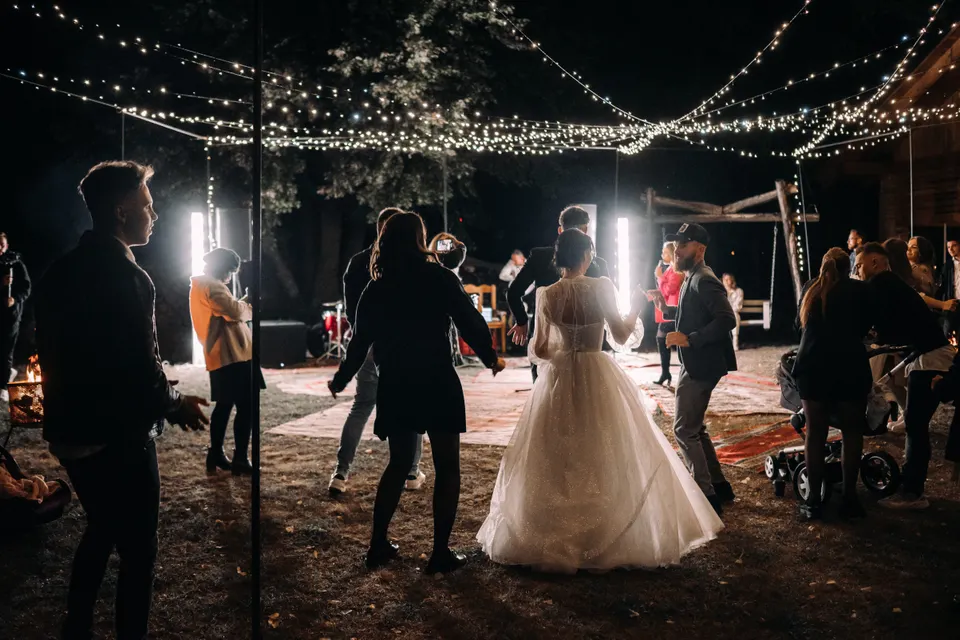
Dress codes for every event
Multi-day weddings often have a different dress code for each event, and guests from other cultures may not know what's expected. Be specific, and if you can, give examples or suggest colours.
- Haldi: "Wear yellow, and something you don't mind getting turmeric on."
- Mehndi: "Bright colours. Indian or Pakistani wear welcome, but not required."
- Sangeet: "Festive and sparkly. Comfortable shoes for dancing!"
- Ceremony: "Indian formal wear or suits and dresses. Please avoid white, black and red."
- Brunch: "Casual."
Think about language
Multicultural weddings often bring together relatives from different countries. If your grandparents are more comfortable in Hindi, Japanese, French or Spanish, let them read the invitation and reply in that language, while your friends read it in English. It's a small thing that makes elderly relatives feel looked after.
The more events you have, the more one clear, personal invitation per household is worth.
Plan travel early
When guests are travelling for several days, they need more notice and more information. Send save the dates 9 to 12 months ahead, and the full invitation 10 to 12 weeks before. Ask for arrival and departure dates and where guests are staying; it helps you plan airport pickups, shuttles between venues and welcome bags.
Consider a hotel block near the main venue, and share the booking link and any group code on your invitation page. If events are in different places, add a simple schedule with travel times between them.
Keep everything in one place
One personal link per household, showing just their events, with one form to answer for everyone in their party, is far easier than a pile of separate cards. Guests can come back to it for the schedule, the addresses and the dress codes throughout the weekend, and you can update everything in one place if plans change.
Wording for multi-event invitations
Your main invitation wording can stay simple and refer guests to the schedule. For example: "Together with their families, Priya and Arjun invite you to celebrate their wedding. Please see below for the events you're invited to." Then list each event with its own details. Guests invited only to the reception see one event; family sees all five.
If you prefer separate printed cards, use one main invitation for the ceremony and reception, and smaller insert cards for each additional event, included only in the envelopes of the guests who are invited. It looks lovely, but it's easy to put the wrong card in the wrong envelope, so check carefully, or let an online invitation handle it.
Keeping guests updated during the weekend
Plans shift during a long weekend: a shuttle time changes, rain moves the haldi indoors, the brunch starts an hour later. Make sure guests know where to look for updates, ideally the same invitation link they already have, so you only have to change things in one place.
Final thought
A multi-day wedding is a gift to your guests: more time together, more food, more dancing. Clear invitations make sure they can enjoy every moment, instead of wondering which events they're meant to be at.
Questions couples ask
Do all guests have to be invited to every wedding event?
No. It's normal for close family to attend everything while other guests come only to the ceremony and reception. Just make sure each guest's invitation shows only their events.
Should I send separate invitations for each event?
You can, but one invitation per household that lists only that household's events, with one RSVP form, is simpler for everyone.
How early should I invite guests to a multi-day wedding?
Send save the dates 9 to 12 months ahead and invitations 10 to 12 weeks before the first event.
How do I explain dress codes for cultural events?
Be specific and give examples or colours, such as "Wear yellow for the haldi" or "Indian festive wear welcome, but not required".
How do I get meal numbers for each event?
Ask guests to reply separately for each event, and ask for meal choices only for events with a plated meal.
Make your invitation in minutes
Beautiful designs, an RSVP for each guest and automatic reminders. Free for up to 25 guests.
Start freeKeep reading
-
 November 23, 2026 · 7 min read
Indian wedding invitation wording for every function
Indian wedding invitation wording, from the opening blessing to the mehndi, sangeet, haldi, ceremony and reception, plus dress codes and inviting guests to each function.
-
 November 23, 2026 · 7 min read
Bilingual wedding invitations: wording and tips for two languages
How to write a bilingual wedding invitation for families who speak different languages, with layout tips and wording in English, French, Spanish and Portuguese.
-
 November 23, 2026 · 13 min read
Wedding budget breakdown: free calculator and a plan that holds
Split your wedding budget by category with our free calculator, then learn how to set a total, cut costs by guest count and keep a buffer for surprises.