यह लेख इस भाषा में भी है: हिन्दी. Wedding day timeline: build your schedule, minute by minute →
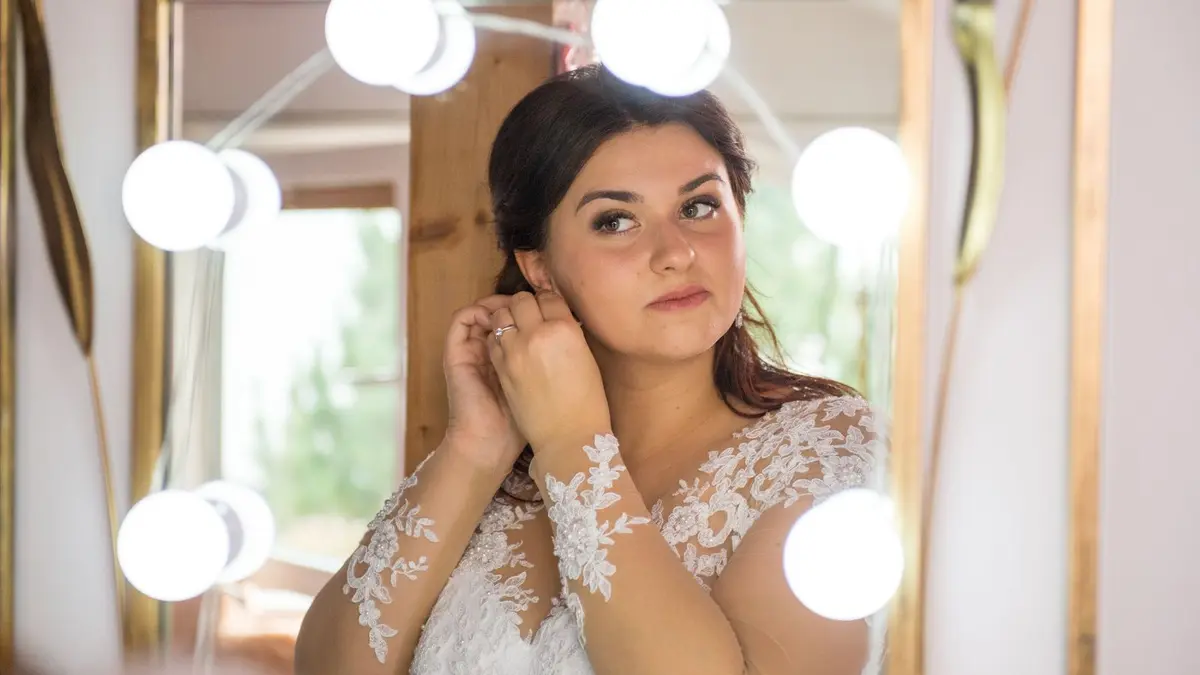
Wedding day timeline: build your schedule, minute by minute
A good wedding day timeline is invisible. Guests never notice it, vendors arrive at the right moment, and you get to actually be at your own wedding. Use the builder to draft your schedule, then read how much time each part of the day really needs.
In this article
- Build your timeline
- Start with your ceremony time
- How long each part of the day takes
- Should you do a first look?
- Sample timeline: 4 PM ceremony with a first look
- Sample timeline: 2 PM ceremony without a first look
- Sample timeline: 6 PM evening ceremony
- Planning the reception timeline
- Family photos without the chaos
- Who needs a copy of your timeline
- Adjusting the timeline for your kind of wedding
- Common timeline mistakes
- Your timeline on the day
- Questions couples ask
Ask any wedding photographer what makes a day go smoothly and they'll give you the same answer: the timeline. Not the venue, not the weather, not the budget. A realistic schedule, shared with everyone in advance, is what lets a day feel relaxed instead of rushed. The good news is that you don't have to invent one from scratch. Most weddings follow the same shape, and once you know how long each part takes, you can build yours in an evening.
This guide includes a free wedding day timeline builder, three sample schedules for the most common ceremony times, and the timings planners use for each moment, from the first makeup brush to the last song.
Build your timeline
Enter your ceremony start time and a few choices about your day. The builder adds the usual moments in a sensible order, with times that update as you type. Copy it into a shared document, or print it and hand it to your coordinator.
Set your ceremony time and a few choices. The schedule updates as you type, and you can copy or print it for your vendors.
Built from common timings used by planners and photographers. Ask your venue, caterer and photographer to check it against their own needs.
Your result is a first draft. Every venue has its own rules (load-in times, noise curfews, when the kitchen needs to start plating), and your photographer may want more or less time for portraits depending on your wedding party and family. Take your draft to your vendors and ask them to mark it up.
Start with your ceremony time
Your ceremony time anchors everything. Three things usually decide it:
- Sunset and light. Many photographers love scheduling portraits in the hour before sunset, often called golden hour. In the US and Canada, sunset ranges from around 4:30 PM in December in the north to after 9 PM in late June. Look up the sunset time for your date and city before you choose.
- Your venue's hours. Many venues rent in blocks (for example, 8 or 10 hours including setup), and some have a strict end time for amplified music.
- Your religious or cultural traditions. Some ceremonies have customary times or take longer than an hour. Talk with your officiant first.
How long each part of the day takes
| Moment | Usual length | Notes |
|---|---|---|
| Hair and makeup | 45–60 min per person | Brides or anyone with an updo often need 60 to 90 minutes. Schedule the couple near the end, not last. |
| Getting dressed | 15–30 min | More for dresses with buttons, bustles or a corset back. |
| Detail photos | 20–30 min | Rings, shoes, invitation suite, flowers. The photographer does this while you finish getting ready. |
| First look and couple portraits | 20–40 min | Longer if you travel to a separate location. |
| Wedding party photos | 20–30 min | Allow more for a large wedding party. |
| Family photos | 20–30 min | About 2 to 3 minutes per grouping. Make a written list. |
| Ceremony | 20–60 min | Civil ceremonies are often 15 to 25 minutes; many religious ceremonies take an hour. |
| Cocktail hour | 60 min | Rarely shorter, because it covers photos and the reception room turnover. |
| Dinner service | 60–90 min | Plated dinners take longer than buffets. |
| Toasts | 15–25 min | Two to four speeches of 3 to 5 minutes each. |
| Cake cutting | 10 min | Often right before dessert is served. |
| Open dancing | 2–3 hours | The part guests usually remember most. |
Should you do a first look?
A first look is a private moment, before the ceremony, when you see each other for the first time in your wedding clothes, with your photographer nearby. It changes the timeline more than any other decision.
| First look | At the aisle | |
|---|---|---|
| Couple portraits | Before the ceremony, relaxed | During cocktail hour, a little rushed |
| Cocktail hour | You can join it | Mostly spent on photos |
| Start of the day | About an hour earlier | Later and a little calmer |
| Emotional moment | Private, just the two of you | In front of everyone, at the aisle |
| Best for | Late-autumn and winter weddings with early sunsets | Couples who treasure the aisle reveal tradition |
Neither choice is wrong. Some couples do a first look with a parent or with their wedding party instead, and still see each other for the first time at the aisle. Others do a "first touch", standing back to back around a corner and holding hands without looking, which keeps the aisle reveal and still gives a quiet moment together.
A first look doesn't replace the aisle moment. It just gives you more of the day to spend together.
Sample timeline: 4 PM ceremony with a first look
This is the most common shape for a spring, summer or early autumn wedding with the ceremony and reception at the same venue.
- 11:30 AMHair and makeup begin
Wedding party first, couple last but not at the very end.
- 1:30 PMPhotographer arrives
Details and getting-ready photos.
- 2:00 PMCouple dressed
Ten quiet minutes. Eat something.
- 2:15 PMFirst look and couple portraits
- 2:45 PMWedding party and family photos
Use your written family list.
- 3:15 PMEveryone hides
Wedding party out of sight; touch-ups.
- 3:30 PMGuests arrive
Prelude music, programs, signature drinks or water.
- 4:00 PMCeremony
About 30 minutes.
- 4:30 PMCocktail hour
You join after 10 minutes alone together.
- 5:30 PMGrand entrance, first dance, welcome
- 5:50 PMDinner
Toasts during the main course.
- 7:00 PMParent dances; dance floor opens
- 7:45 PMCake cutting, then golden-hour portraits
15 minutes outside while guests dance.
- 10:30 PMLast call
- 10:50 PMLast dance and send-off
Sample timeline: 2 PM ceremony without a first look
An early afternoon ceremony is great for daytime receptions, venues with an early curfew, or weddings where many guests travel home the same night.
- 9:30 AMHair and makeup begin
- 11:30 AMPhotographer arrives
- 12:45 PMCouple dressed; separate portraits with each wedding party
- 1:30 PMGuests arrive
- 2:00 PMCeremony
- 2:40 PMCocktail hour begins
Family photos straight after the ceremony, then couple portraits.
- 3:45 PMReception entrance and lunch or early dinner
- 5:00 PMToasts and first dance
- 5:30 PMCake and dancing
- 7:30 PMSend-off
Sample timeline: 6 PM evening ceremony
Evening ceremonies feel formal and festive, but in autumn and winter it may be dark by the time you say "I do". A first look is almost essential if you want daylight portraits.
- 1:30 PMHair and makeup begin
- 3:30 PMPhotographer arrives
- 4:00 PMFirst look and portraits in daylight
- 5:00 PMFamily and wedding party photos
- 5:30 PMGuests arrive
- 6:00 PMCeremony
- 6:45 PMCocktail hour
- 7:45 PMEntrance, first dance and dinner
- 9:00 PMToasts, parent dances, cake
- 9:30 PMDance floor opens
- 12:00 AMSend-off
Check your venue's music curfew first.
Planning the reception timeline
Reception timelines vary more than ceremony timelines, but most follow the same order. The biggest decision is when to do the "formalities": the entrance, first dance, toasts, parent dances and cake. There are two popular approaches.
Entrance, first dance, toasts and parent dances back to back before dinner. Then guests can relax and the party flows.
Entrance and welcome first, toasts between courses, dances after dinner. Keeps energy up through a long meal.
Cutting the cake right after the main course signals dessert and lets the band or DJ turn up the music.
Slip out for 15 minutes of golden-hour portraits once dancing starts. Few guests notice you're gone.
Family photos without the chaos
Family photos are where wedding timelines most often slip, usually because someone wanders off to the bar. A written list fixes it. Make one with your photographer, putting the largest groups first and the smallest last, so people can leave as they're done.
Give the list to a confident cousin or friend who knows both families and can round people up by name. It saves your photographer from shouting across the lawn, and it saves you about 15 minutes.
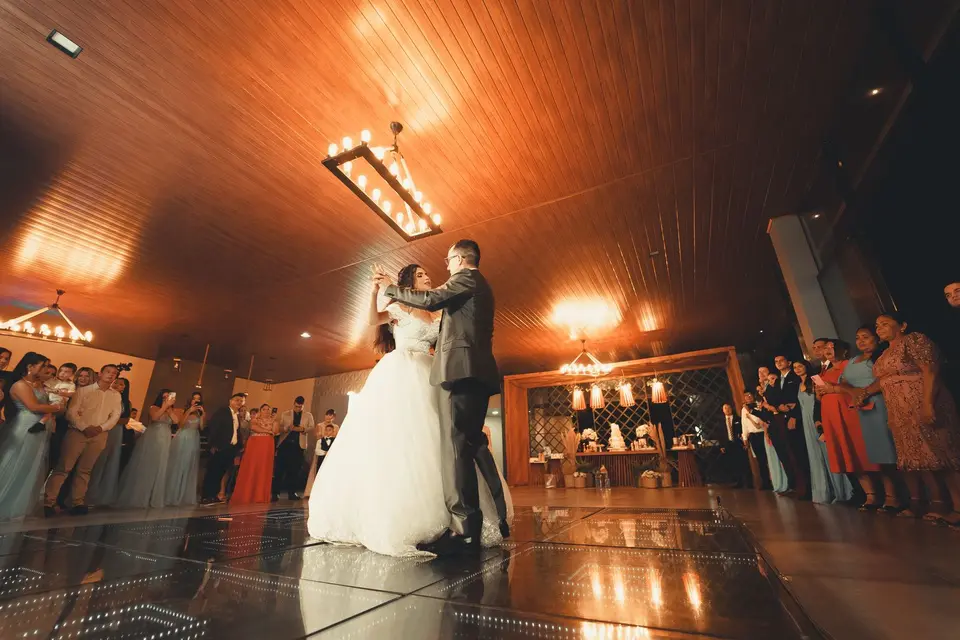
Who needs a copy of your timeline
A timeline only works if everyone has the same version. About a week before the wedding, send the final schedule to:
- Your venue manager and caterer
- Your coordinator or planner
- Your photographer and videographer
- Your DJ or band, and any ceremony musicians
- Your hair and makeup artists
- Your officiant
- Your florist, rentals and transport companies (just the setup and pickup times they need)
- Your wedding party and immediate family, in a shorter version with only the parts that involve them
Guests need a much simpler schedule: when to arrive, where to go, and whether there's a break between the ceremony and reception. Put that on your invitation and your wedding website. With an online invitation, you can update it in one place if something changes, and every guest sees the latest version.
Adjusting the timeline for your kind of wedding
The samples above assume a fairly classic day. Here's how to adapt them for other kinds of weddings.
Small weddings and elopements
With 10 to 40 guests, everything moves faster. Family photos might take ten minutes, dinner can start as soon as everyone's seated, and you may not need a cocktail hour at all. Many small weddings fit comfortably into four or five hours of photography coverage, with a long dinner as the main event instead of a dance floor.
Two ceremonies, or a ceremony with several traditions
If you're combining traditions (for example, a religious ceremony in the morning and a civil or cultural ceremony later), give each its own block with a real break between them for changing outfits, eating and resting. Many couples find that a two- or three-hour gap with lunch keeps the day from feeling like a marathon.
Winter weddings
Short days change everything. If the sun sets around 4:30 PM, a 4 PM ceremony means no daylight portraits afterwards. Either move the ceremony earlier, do a first look in the early afternoon, or plan beautiful night portraits with your photographer's lighting.
Weddings with a long travel gap
When the church and the reception venue are 30 minutes or more apart, guests need something to do in between. Offer a shuttle, suggest a coffee shop nearby, or start cocktail hour as soon as the first guests arrive, even if you're still on the way.
Common timeline mistakes
The most common reason weddings start late. Ask your stylist for their real timing per person.
Without one, family photos can take twice as long.
If the ceremony and reception are apart, add travel time plus 15 minutes for parking and gathering.
Check the sunset time for your date. Winter weddings lose daylight early.
Guests drift to the bar. Toasts during the main course keep everyone listening.
Many venues stop amplified music at a set time. Plan your last dance before it.
Your timeline on the day
Once your timeline is done, hand it over. Give your coordinator, or a trusted friend if you don't have one, the job of keeping time. Your job on the day is much simpler: be where the schedule says, eat when someone hands you food, and enjoy it. If something runs ten minutes late, let it. A timeline is a plan, not a contract, and guests will remember how the day felt, not what time the cake was cut.
Questions couples ask
How long before the ceremony should hair and makeup start?
Count about 45 to 60 minutes per person in the chair, add 15 to 30 minutes for getting dressed and a 15-minute buffer, then work back from when you need to be ready for photos. For a wedding party of five, that's often four to five hours before the ceremony.
How long should a wedding reception last?
Most receptions run four to five hours: an hour of cocktails, about 90 minutes for dinner and toasts, and two to three hours of dancing. Check your venue rental hours and music curfew first.
What time should guests arrive for a wedding?
Plan for guests to arrive 20 to 30 minutes before the ceremony. Put the real start time on the invitation, and if you want people seated early, say “please arrive by” a specific time.
When should toasts happen at a wedding?
Many couples schedule toasts during the main course, when guests are seated and listening, or right after the entrance. Toasts after dessert tend to lose the room as people head to the bar or dance floor.
How long do wedding family photos take?
About 2 to 3 minutes per grouping, so 10 groupings take 20 to 30 minutes. A written list, largest groups first, and a family member to call names keeps it on time.
Do we need a first look?
No. A first look lets you take most portraits before the ceremony and join cocktail hour, which helps with early sunsets. If the aisle reveal matters more to you, schedule portraits during cocktail hour instead.
Make your invitation in minutes
Beautiful designs, an RSVP for each guest and automatic reminders. Free for up to 25 guests.
Start freeKeep reading
-
 23 नवंबर 2026 · 13 min read
Wedding budget breakdown: free calculator and a plan that holds
Split your wedding budget by category with our free calculator, then learn how to set a total, cut costs by guest count and keep a buffer for surprises.
-
 23 नवंबर 2026 · 12 min read
Wedding hashtag ideas: free generator and 100+ examples
Create a unique wedding hashtag in seconds with our free generator, plus 100+ ideas by style, rules for making it readable, and where to share it with guests.
-
 23 नवंबर 2026 · 19 min read
The complete wedding planning checklist: a month-by-month timeline
A month-by-month wedding planning checklist from engagement to the day after: budget, guest list, venue, vendors, save the dates, invitations, RSVPs and final details.